Introduction for Each Pre-treatment Device
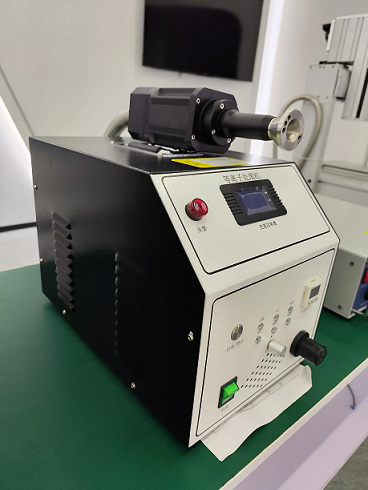
Plasma Pretreatment:
The Precision Specialist Plasma technology excels in applications demanding finesse and superior results. Substrate-Friendly: Its low-temperature nature makes it the only viable option for heat-sensitive materials like thin films, foils, and delicate plastic parts, preventing warping, melting, or degradation. Unmatched Performance: Studies have shown that plasma treatment is remarkably effective at enhancing wettability. For instance, plasma treatment can reduce the water contact angle of polyethylene (PE) to 22.43°, compared to 91.04° after flame treatment. High Precision: Plasma allows for targeted, localized treatment. This is critical for high-precision industries like electronics, medical devices, and selective printing. Cost-Effective Operation (in the long run): Although the initial investment is higher, certain plasma systems (like atmospheric air plasma) require no additional process gases, potentially lowering operational costs over time. Versatility: Capable of treating virtually any material surface, including fluoropolymers like PTFE that are notoriously difficult to bond .
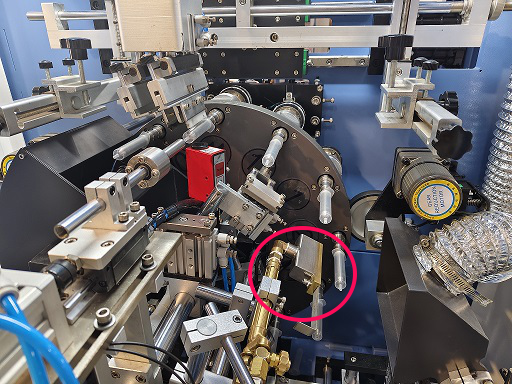
Flame Pretreatment:
The High-Throughput Workhorse Flame technology is a powerhouse for large-scale, general-purpose industrial applications. Unmatched Efficiency: Flame burners can be manufactured in wide widths, covering large surface areas in a single pass. This makes it ideal for high-speed processing of large workpieces like automotive dashboards, bumpers, and garage doors. High Tolerance for Geometry: Flame treatment is more forgiving than plasma when it comes to the distance and angle between the burner and the workpiece surface, making it easier to integrate into less precise automation. Rapid Oxidation: Flame treatment achieves surface oxidation in less than 0.5 seconds, comparable to corona and plasma . Low Entry Cost: With its simple construction, flame equipment requires significantly less capital expenditure than plasma systems .
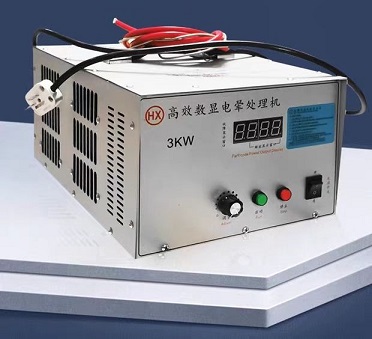
Corona Pretreatment:
The Cost-Effective Standard Corona treatment is the industry workhorse for film and web processing. Lowest Investment: Corona equipment is remarkably affordable, with entry-level units costing only a few thousand dollars . Proven Track Record: Decades of industrial use have made corona treatment a trusted and well-understood technology for polyolefin films. Excellent for Continuous Web Processing: Highly efficient for treating films and sheets in a continuous production line . Simple Operation: Easy to control and integrate into existing production lines . Surface Modification: Generates polar functional groups on non-polar surfaces through oxidation and ozone treatment, improving wettability .
How to Choose the Right Technology
The choice between plasma, flame, and corona pretreatment ultimately depends on your specific production scenario. Here's a simple guide to help you decide.
✅ Choose Plasma Pretreatment
If: You are processing heat-sensitive materials such as films, nonwovens, or thin-walled components . Your parts have complex 3D geometries with intricate details, holes, or internal surfaces . Ultra-high precision, consistency, and maximum adhesion are your primary requirements. You need to treat difficult materials like fluoropolymers (PTFE) that other methods cannot effectively activate . Your operation mandates the highest standards of environmental safety and hygiene.
✅ Choose Flame Pretreatment
If: Your parts are made of thermally stable engineering plastics . You are handling large, flat, or simple-shaped workpieces where high throughput is paramount. You have a moderate equipment budget and can accommodate safety measures for open flame. You do not require microscopic precision and are handling general-purpose industrial goods.
✅ Choose Corona Pretreatment
If: You are processing flat films, sheets, or webs of polyolefin materials (PE, PP) . Your equipment budget is highly limited . Your production requires continuous, high-speed inline processing . You can process the treated material soon after treatment (within weeks) to avoid aging effects .
Conclusion Plasma, flame, and corona pretreatment technologies each occupy unique positions in the surface treatment landscape.
Plasma stands as the premium, precision-focused solution with unmatched versatility and longevity.
Flame serves as the robust, high-output system for simple geometries and heat-tolerant materials.
Corona remains the cost-effective, industry-standard workhorse for film and web processing.
Still unsure which technology is right for your materials and application? Our team of experts is here to provide a detailed analysis tailored to your specific needs. Click to contact us for getting the most suitable recommendation.